Latest insights
5 Steps: Report Nursing Home Neglect Georgia

October 7, 2026
By team Dayton Trial Law
If you suspect nursing home neglect in Georgia, first protect your loved one from immediate danger, seek medical care, document what you observe, report the concern to the proper authorities, and consult an experienced attorney. Prompt action can preserve evidence, prevent further harm, and help your family understand its legal options.

What Counts as Nursing Home Neglect in Georgia?
Nursing home neglect occurs when a facility or caregiver fails to provide the care, supervision, or basic necessities a resident needs. Unlike intentional abuse, neglect may result from understaffing, poor training, inadequate policies, or a failure to follow a care plan.
Possible warning signs include:
- Unexplained weight loss, dehydration, or malnutrition
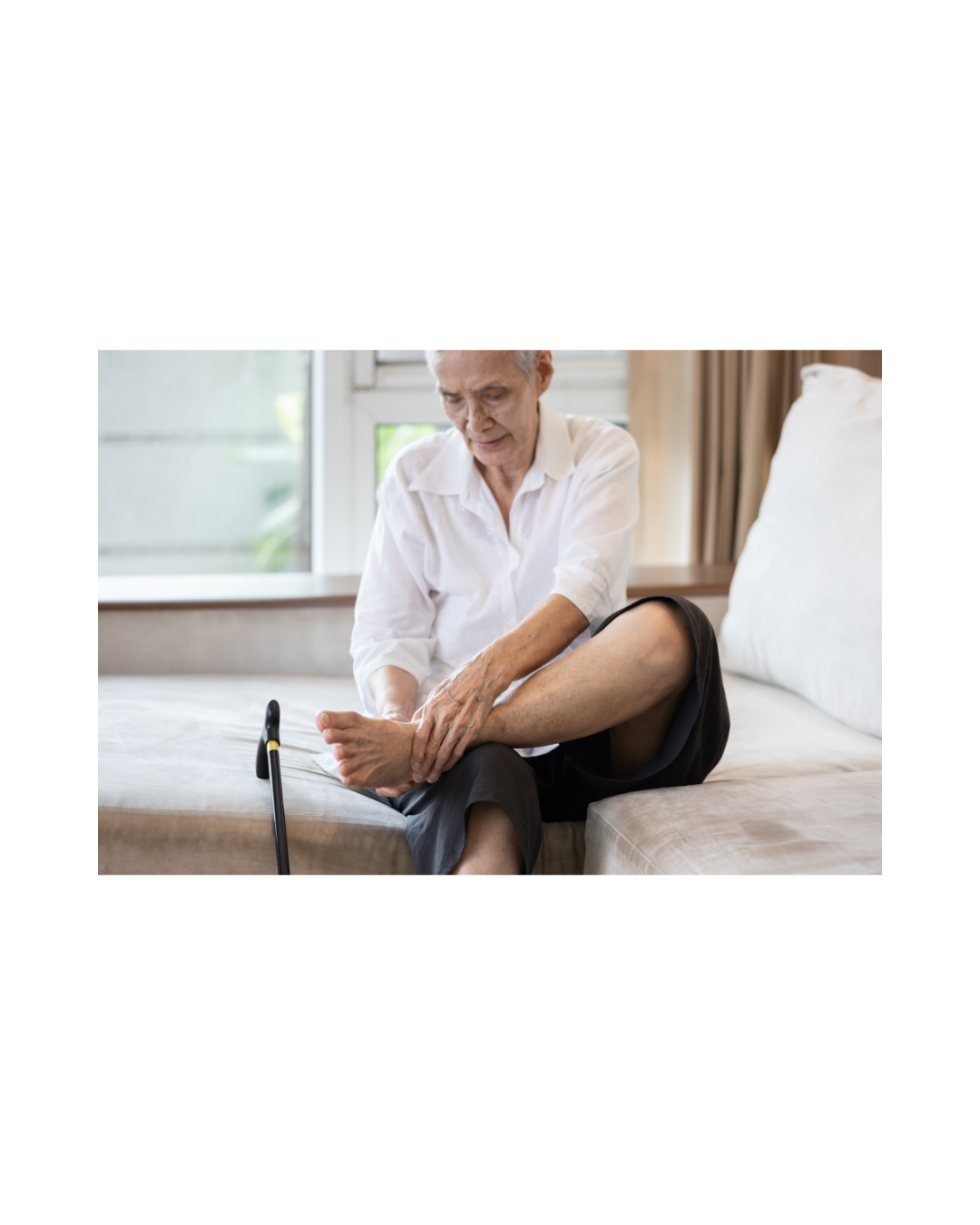
- Bedsores, untreated injuries, infections, or repeated falls
- Poor hygiene, soiled clothing, or unsanitary living conditions
- Missed medications, medical appointments, or treatments
- Sudden fear, withdrawal, confusion, or changes in behavior
A single sign does not always prove negligence. However, a pattern of symptoms, unexplained injuries, or ignored complaints deserves immediate attention. Families can learn more about their legal options through a nursing home neglect lawyer in Atlanta, Georgia .
What Should You Do First If You Suspect Neglect?
1. Make Sure Your Loved One Is Safe
If your family member faces an immediate threat, serious injury, medical emergency, or suspected criminal conduct, call 911. Ask emergency responders or medical professionals to evaluate the resident independently of the facility.
If there is no immediate emergency, request a prompt medical assessment. Tell the doctor exactly what you observed, when it began, and whether the facility offered an explanation. Medical records can both support treatment and establish an important timeline.
Do not confront an alleged abuser in a way that could increase the resident’s risk. Focus first on safety and calm communication.
2. Document the Signs and Your Communications
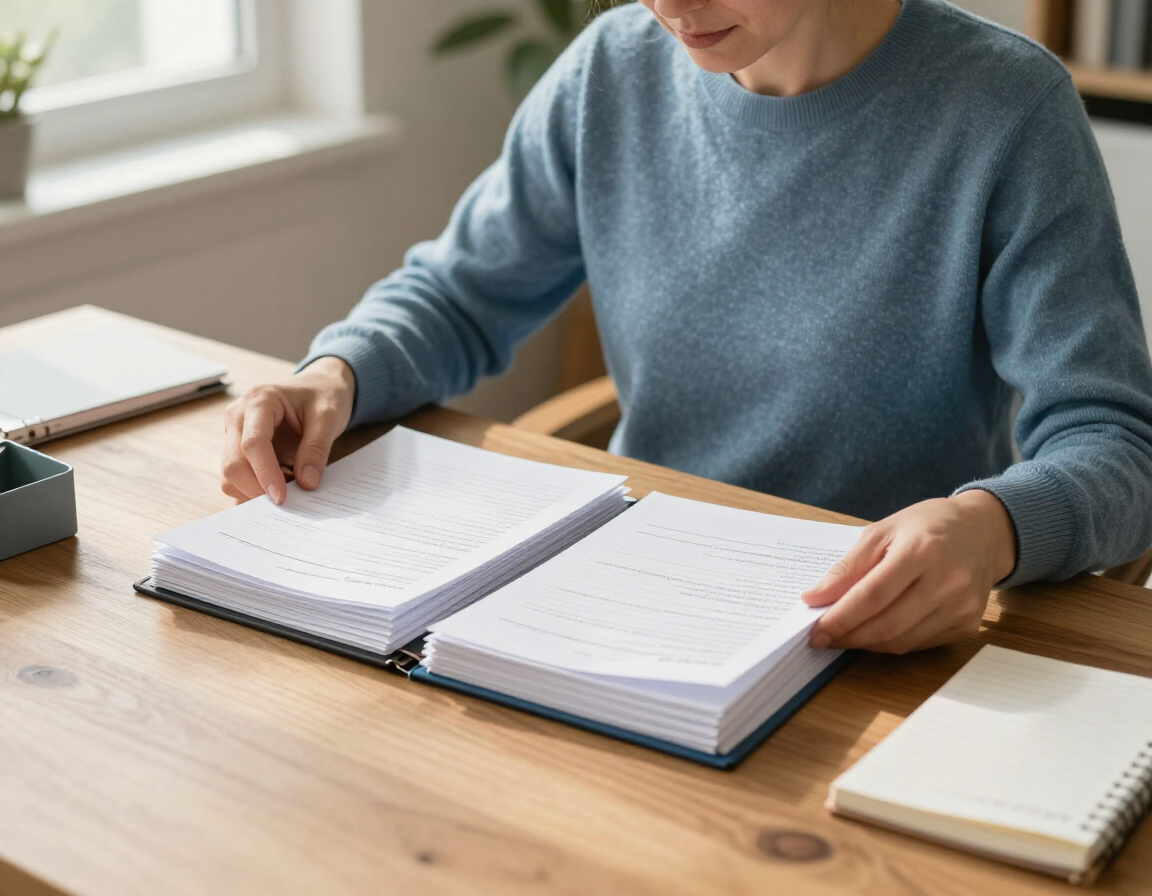
Careful documentation can help doctors, regulators, and a nursing home negligence attorney understand what happened. Keep a dated record of observations and conversations, including:
- The resident’s symptoms, injuries, mood, and physical condition
- Names and job titles of staff members involved
- Dates and times of missed care, falls, calls, or visits
- Photographs of visible injuries or unsafe conditions, when appropriate
- Copies of bills, medical records, care plans, and written complaints
Write down facts rather than assumptions. For example, “the resident had a new bruise on the left arm and said staff did not answer the call light for two hours” is more useful than “the facility is negligent.” Preserve original photographs, texts, emails, and voicemails rather than editing them.
How Do You Report Nursing Home Neglect in Georgia?
3. Report the Concern to the Facility in Writing
Ask to speak with the administrator, director of nursing, or resident-rights representative. Explain the concern clearly and request a written response and corrective plan. Submit the complaint by email, certified mail, or another method that creates a record.
Request copies of the resident’s care plan and ask how the facility will prevent further harm. Keep your communication professional. Avoid signing releases, waivers, or settlement documents before you understand what they mean.
A facility’s internal investigation may be useful, but it should not replace an outside report when the concern is serious or unresolved.
4. Contact the Appropriate Georgia Authorities
To report nursing home neglect in Georgia, families may contact the Georgia Department of Community Health, Healthcare Facility Regulation Division, or the Georgia Long-Term Care Ombudsman Program. Adult Protective Services may also be appropriate when an older adult is being abused, neglected, or exploited outside a licensed facility or by a responsible caregiver.
When reporting, provide:
- The resident’s name, facility, location, and current condition
- A concise description of the suspected neglect
- Dates, names, photographs, records, and witness information
- Steps already taken and whether the facility responded
- Any immediate safety concern or risk of retaliation
Ask for the complaint or referral number. Agencies may limit what they can disclose during an investigation, but the reference number helps you follow up.
When Should You Contact a Nursing Home Neglect Lawyer?
5. Speak With a Nursing Home Neglect Attorney
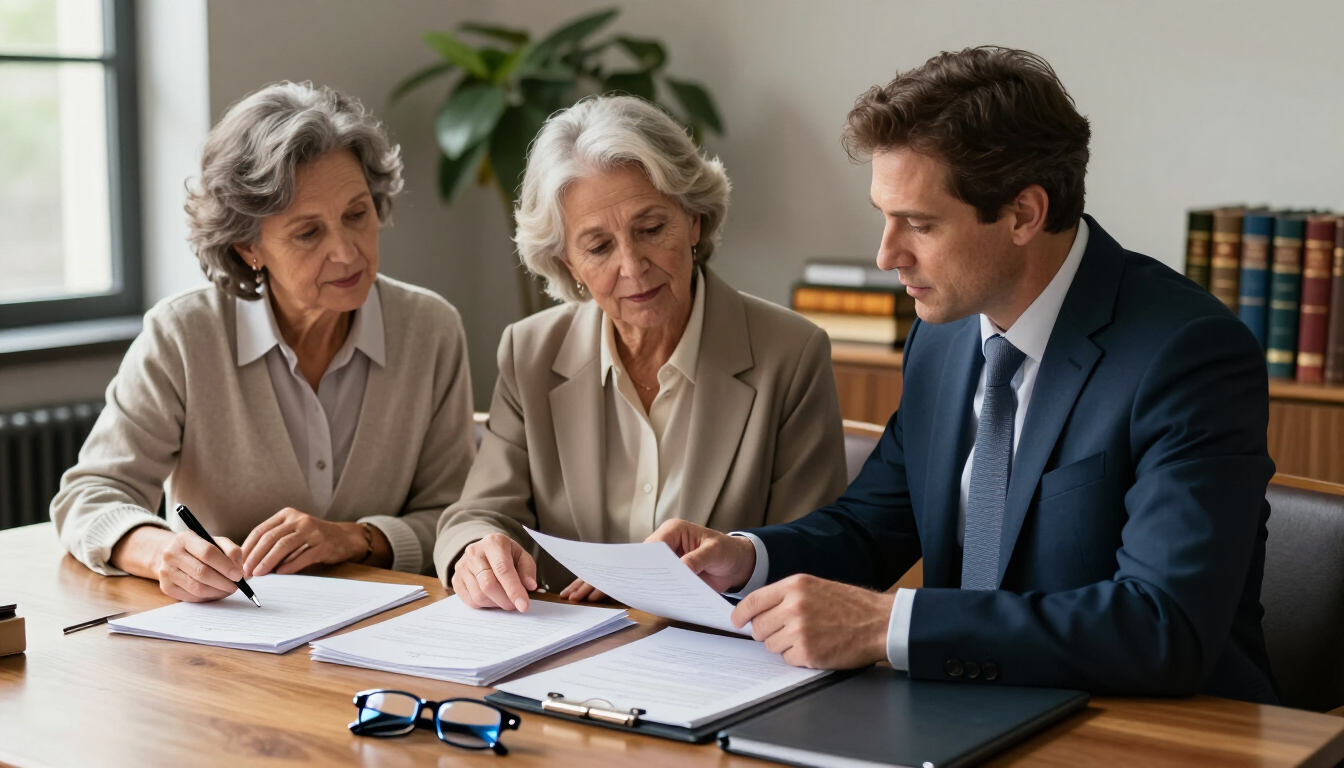
Contact a nursing home neglect lawyer when injuries are serious, neglect is ongoing, the facility denies obvious facts, records are missing, or you suspect retaliation. An attorney can help investigate staffing and care records, identify responsible parties, communicate with insurers, and determine whether a civil claim may exist.
A nursing home negligence attorney may also explain deadlines, which can depend on the type of claim and the parties involved. Do not wait for a facility’s internal review if your loved one remains at risk or evidence may disappear.
When choosing counsel, ask whether the firm handles nursing home cases, understands Georgia law, investigates medical records, and communicates directly with families. Dayton Trial Law, LLC serves families in Atlanta and surrounding communities, including Sandy Springs.
What Evidence Can Support a Neglect Claim?
Useful evidence may include:
- Medical records before and after the suspected neglect
- Medication administration records and treatment notes
- Care plans, nursing notes, incident reports, and staffing information
- Photographs, videos, messages, and a family visitation log
- Statements from residents, visitors, nurses, aides, or other witnesses
Do not secretly record conversations without legal advice. Georgia recording rules can be fact-specific, and improperly obtained evidence may create complications.
Protecting Your Loved One After a Report
Reporting neglect is only one part of protecting a resident. Continue monitoring care and record changes. Ask the doctor whether a hospital, rehabilitation center, home health service, or another facility would be safer. If your loved one can participate, include them in decisions and respect their preferences.
You can also contact Dayton Trial Law, LLC to discuss the situation. The firm is located at 6075 Barfield Rd, Suite 126, Sandy Springs, GA 30328, and can be reached at (770) 202-HURT (4878).
Key Takeaways for Georgia Families
- Move your loved one away from immediate danger and obtain medical care.
- Record symptoms, injuries, conversations, care failures, and facility responses.
- Report serious concerns to Georgia regulators, the long-term care ombudsman, or Adult Protective Services as appropriate.
- Consult a nursing home neglect lawyer before signing documents or accepting a settlement.
- Continue monitoring the resident and preserve every relevant record.
If you suspect nursing home neglect in Georgia, acting promptly can protect your family member and preserve important evidence. Start with safety, create a clear factual record, report the concern through the appropriate channels, and seek qualified legal guidance when the harm is serious or unresolved. These steps help you move from uncertainty to a practical plan while ensuring your loved one’s medical and personal needs remain the priority.
Other insights
More from Dayton Trial Law