EXPERIENCED TRIAL ADVOCACY
Practice Areas & Legal Services.
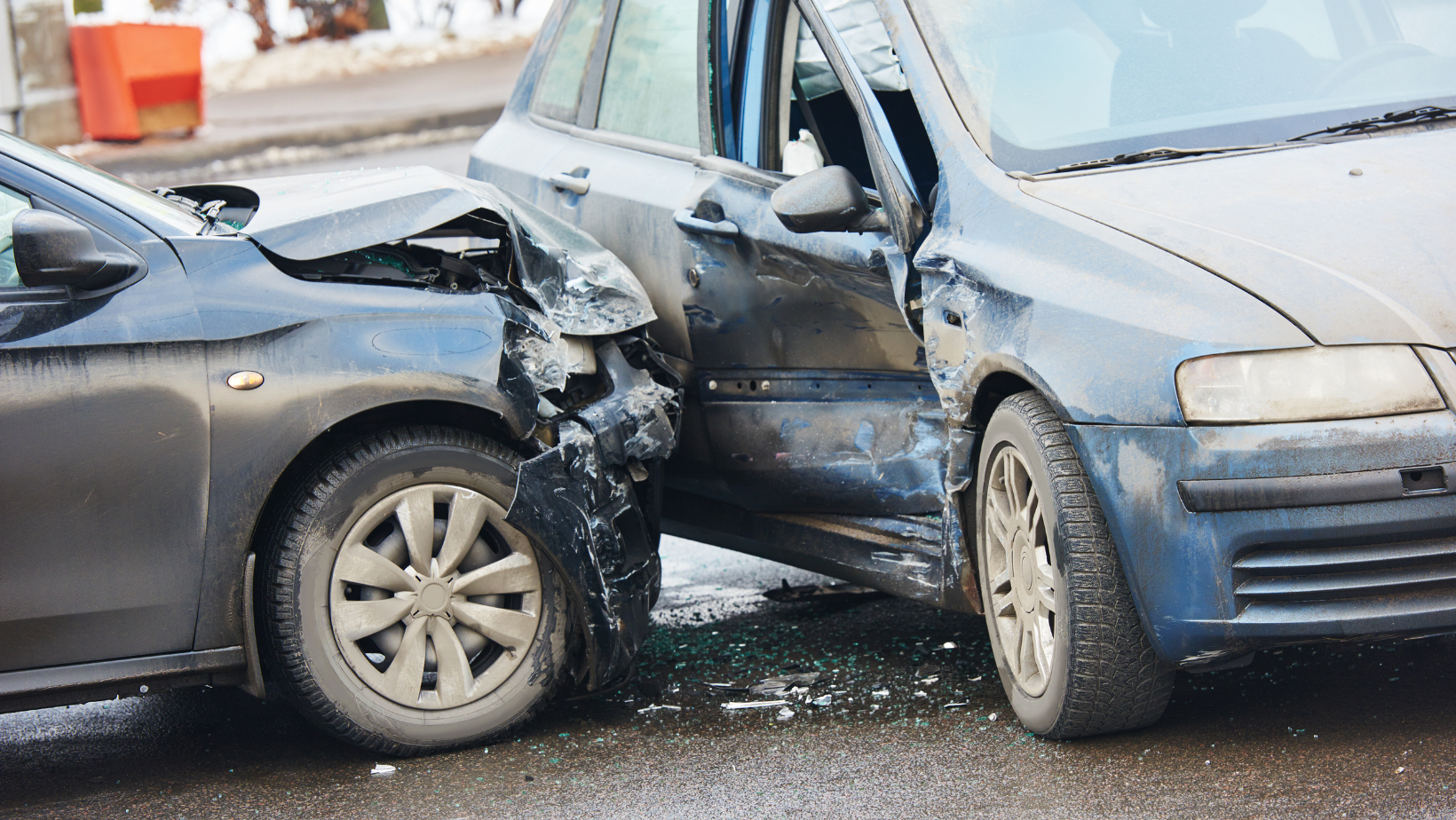
Car Accidents
After a Crash, The Insurance Company Is Not Your Friend
Their goal is to pay you as little as possible. Our goal is to recover every dollar you deserve for your medical bills, lost wages, and pain.
The "Quick Settlement" Trap
In the days following a serious car accident, insurance adjusters often call with a friendly tone and a quick offer. This is a tactic. They want you to sign a release before you know the full extent of your injuries.
Types of Claims We Handle
At Dayton Trial Law, we handle the insurance companies so you can focus on healing. We handle all types of motor vehicle claims, including:
- Rear-end Collisions: Often causing whiplash and spinal injuries that don't show up immediately.
- Distracted Driving: We pull phone records to prove the other driver was texting or distracted.
- Drunk Driving (DUI): In Georgia, DUI victims may be entitled to punitive damages—extra money designed to punish the reckless driver.
- Uninsured Motorist Claims: We help you navigate your own policy if the at-fault driver has no insurance.
We Prepare for Court
Most car accident lawyers just want to settle and move on to the next case. We prepare your case for trial from Day 1. This pressure forces insurance companies to take your claim seriously because they know we are not afraid to fight for a verdict.

trucking Accidents
When 18-Wheelers Cause Devastation
Trucking companies have rapid response teams to protect their profits. You need a trial team to protect your rights.
Trucking Cases Are Different
Accidents involving semi-trucks, tractor-trailers, and commercial delivery vehicles are governed by complex federal regulations (FMCSA). Unlike a standard car wreck, proving fault in a truck accident often requires digging into the company’s internal records.
We Investigate the "Black Box"
Trucking companies often destroy evidence if you do not act quickly. We move immediately to send a "spoliation letter" to preserve the truck's Electronic Control Module (ECM) and driver logs. We look for:
- Hours of Service Violations: Was the driver on the road longer than the legal limit?
- Maintenance Failures: Was the truck's braking system or tires properly inspected?
- Improper Loading: Was the cargo unsecured or overweight, causing the truck to tip?
- Negligent Hiring: Did the company hire a driver with a history of DUIs or reckless driving?
Fighting the Corporate Lawyers
Trucking insurance policies are massive, often totaling millions of dollars. Because the stakes are so high, they employ aggressive legal teams to deny your claim. Dayton Trial Law has the resources and experience to stand up to these corporate giants in court.
Rideshare Negligence
Injured in an Uber or Lyft?
Rideshare insurance policies are confusing. We know how to navigate the coverage to get your medical bills paid.
Navigating the Insurance Maze
Rideshare accidents involve a complex web of insurance policies. The amount of coverage available to you depends entirely on the "status" of the app at the moment of the crash.
- Period 1 (App Off): The driver's personal insurance applies (and often denies coverage for commercial use).
- Period 2 (App On, Waiting for Ride): Limited coverage from Uber/Lyft applies.
- Period 3 (Active Trip): A $1 million insurance policy is usually in effect.
Who We Represent
- Passengers: If you were riding in the Uber/Lyft, you are generally covered by the $1 million policy.
- Other Drivers: If a rideshare driver hit your car, we fight to prove they were "on the clock" to trigger the higher insurance limits.
- Assault Victims: If you were harmed by a driver, we hold the company accountable for their failure to screen or monitor their contractors.
Do not let the insurance companies point fingers at each other while you are left with the bills. We ensure the right policy pays.


Nursing Home Negligence
We Hold Negligent Nursing Homes Accountable
If your loved one suffered bedsores, falls, or abuse in a Georgia Facility, it wasn’t an “accident.” It was likely negligence. We find the truth.
Common Signs of Nursing Home Neglect
Families often trust facilities to care for their vulnerable loved ones, only to find that profit was prioritized over safety. At Dayton Trial Law, we handle cases involving:
- Bedsores (Pressure Ulcers): These are almost always preventable with proper turning and hydration. Stage 3 and 4 ulcers are clear signs of neglect.
- Falls and Fractures: Facilities must assess fall risks. Unexplained bruises or hip fractures often indicate a lack of supervision.
- Malnutrition & Dehydration: Rapid weight loss or cracked lips can signal that staff are not ensuring residents eat and drink enough.
- Elopement: When a resident with dementia wanders off the premises, the facility has failed its primary duty of security.
Why You Need a Trial Lawyer
Nursing home chains are often owned by massive corporations with deep pockets. They will delay claims and hide records to avoid paying out.
We do not just file claims; we investigate staffing logs, medical records, and state inspection reports. We prepare to show a jury exactly how the facility failed your family.
What to Do If You Suspect Abuse
- Seek Medical Attention: Get your loved one to a hospital immediately if they are in danger.
- Document Everything: Take photos of injuries, the room conditions, and keep a log of conversations with staff.
- Contact Us: Do not sign any settlement offers from the facility until you have spoken to a lawyer.
Day Care Negligence
When Day Cares Break Your Trust
You trusted them to keep your child safe. If your child was injured due to lack of supervision or unsafe conditions, we hold the facility accountable.
Negligence vs. Accidents: Knowing the Difference
Children play hard, and minor scrapes happen. However, serious injuries in a day care setting are often the result of systemic failures and violations of Georgia state regulations.
At Dayton Trial Law, we investigate the root causes of childcare injuries, including:
- Lack of Supervision: Georgia law mandates strict student-to-teacher ratios. When facilities cut corners to save money, children are left unattended.
- Negligent Hiring: Facilities must perform background checks. If a day care hires an employee with a history of violence or abuse, the facility is liable for the harm that follows.
- Playground Injuries: Falls from unsafe equipment or injuries caused by lack of maintenance are not "accidents"—they are premises liability cases.
- Bottle Propping & Feeding Errors: Improper feeding techniques can lead to choking or aspiration in infants.
We Investigate the Facility
We do not rely on the day care's incident report, which often minimizes the event. We subpoena video footage, review hiring files, and check the facility's history of violations with the Georgia Department of Early Care and Learning (DECAL).
Protecting Your Child's Future
Injuries to children can have long-term developmental impacts. We fight to ensure your settlement covers not just immediate medical bills, but any future care or therapy your child may need.


Medical Malpractice
When Doctors Violate Your Trust
Medical errors are the third leading cause of death in the U.S. We hold healthcare providers accountable when they deviate from the standard of care.
Proving the Standard of Care
Not every medical mistake is grounds for a lawsuit. To win a malpractice case in Georgia, we must prove that the doctor or hospital failed to meet the "standard of care"—the level of competence expected of a professional in that field.
At Dayton Trial Law, we work with independent medical experts to review your records and identify exactly where the failure occurred. We handle cases involving:
- Surgical Errors: Operating on the wrong site, leaving instruments inside the body, or damaging surrounding organs.
- Misdiagnosis & Delayed Diagnosis: Failing to recognize heart attacks, strokes, or cancer when the symptoms were clear.
- Birth Injuries: Negligence during delivery leading to cerebral palsy, Erb’s palsy, or hypoxia.
- Medication Errors: Prescribing the wrong dosage or a drug that interacts dangerously with other medications.
The "Affidavit of Expert" Requirement
Georgia law requires that a valid medical malpractice complaint be accompanied by an affidavit from a medical expert. This makes these cases complex and expensive to file. You need a firm with the financial resources and professional network to build your case correctly from Day 1.
Slip, Trip & Fall
When Day Cares Break Your Trust
Property owners in Georgia have a duty to keep their premises safe. If you were injured because they ignored a danger, we can help.
Negligence vs. Accidents: Knowing the Difference
Slip and fall accidents often result in life-changing injuries, including traumatic brain injuries (TBI), hip fractures, and spinal damage. These accidents usually happen because a business owner cared more about cutting costs than fixing a hazard.
Proving "Superior Knowledge"
In Georgia, winning a premises liability case requires proving that the property owner knew (or should have known) about the hazard, and that you did not. We investigate to find the proof:
- Wet Floors: Was there a "Wet Floor" sign? How long had the spill been there?
- Uneven Pavement: Did the owner ignore cracked sidewalks or potholes in the parking lot?
- Inadequate Lighting: Did the fall happen because the owner failed to replace burnt-out lights in a stairwell?
- Negligent Security: If you were attacked in a parking deck or apartment complex, the owner may be liable for failing to provide security gates or patrols.
Preserving Evidence
Video surveillance is critical in these cases. However, many businesses tape over their footage within 48 to 72 hours. Contact us immediately so we can demand the preservation of that video before it is destroyed.


Wrongful Death
Justice for your Family’s Loss
No amount of money can replace a loved one. But the law allows you to seek justice and financial security for the future they would have provided.
Understanding Georgia’s Wrongful Death Act
When a life is taken due to someone else's negligence—whether from a car accident, a defective product, or nursing home abuse—Georgia law allows the surviving family to pursue a claim for the "full value of the life."
What Compensation Covers
Under Georgia law, the "full value of the life" includes two distinct parts:
- Economic Value: The projected lifetime earnings, benefits, and services the deceased would have contributed to the family.
- Intangible Value: The loss of companionship, guidance, and the simple joy of living.
Who Can File a Claim?
The hierarchy for filing a wrongful death lawsuit in Georgia is strict:
- The Spouse: Has the primary right to file (often representing the children as well).
- The Children: If there is no surviving spouse.
- The Parents: If there is no spouse or children.
- The Estate: Can file a separate claim for pain and suffering experienced before death, and for funeral expenses.
These cases are emotionally draining. We handle the legal burden so you can focus on grieving and healing your family.
Products Liability
When Products Fail, We Hold Manufacturers Accountable
You trust the products you buy to be safe. When a defect causes injury, the manufacturer is responsible for the harm they caused.
Types of Product Defects
Whether it is a household appliance, a car part, or a children's toy, manufacturers must ensure their products are safe for intended use. We handle cases involving three main types of defects:
- Design Defects: The product was inherently dangerous before it was even made (e.g., an SUV prone to rolling over).
- Manufacturing Defects: The design was safe, but an error on the assembly line made your specific unit dangerous (e.g., a contaminated batch of medicine or a cracked tire).
- Failure to Warn: The manufacturer knew of a risk but failed to put a proper warning label on the product.
Strict Liability in Georgia
In product liability cases, you do not always have to prove the manufacturer was "careless." If the product was defective and that defect caused your injury, the manufacturer can be held "strictly liable."
These cases require deep technical resources. We work with engineers and safety experts to test the product and prove exactly how it failed.

1552-1570 Broadway New York NY US 10036
Request Your Free Case Consultation
Fill out some info and we will be in touch shortly.
Email:
bryan@daytontriallaw.com
Phone:
770.283.9895